I’ve Just Travelled the World as a Type 1 Diabetic. Here Are 10 Things You Should Know.
📌 This article is written in Quarto and hosted via GitHub Pages. As a Cognitive Neuroscience graduate with a passion for coding, I wanted to use this project to demonstrate what I can do, from clean reproducible document production to custom styling and interactive elements. If you’ve landed here from my LinkedIn or GitHub, the full source code including the stylesheet is in the repository below.

Start ordering as frequently as your prescription allows, at least 6 months before you leave.


$190 AUD Cost of a single box of insulin without Medicare. With it: $30 to $35.





Don’t put insulin in the hold Cargo holds can drop to temperatures that will freeze and destroy your supply.

17 hours The hardest time zone shift of the trip. Los Angeles to Melbourne.

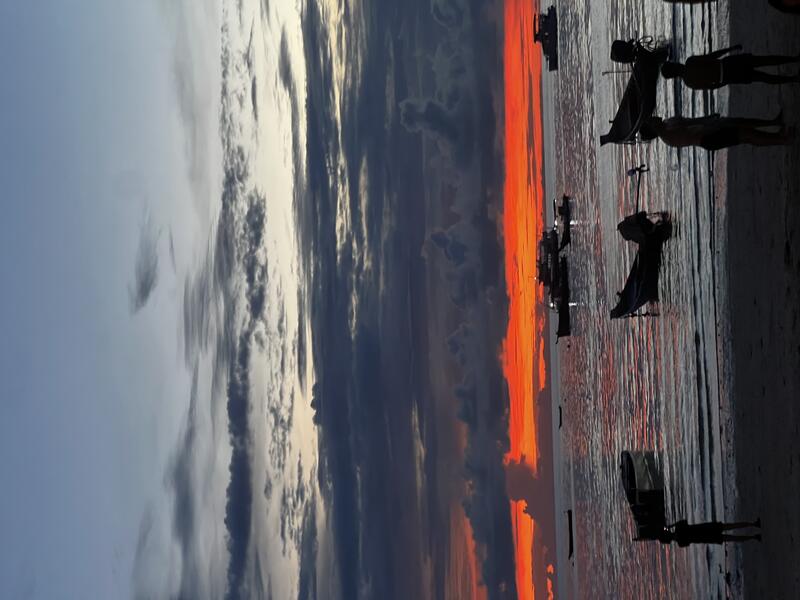

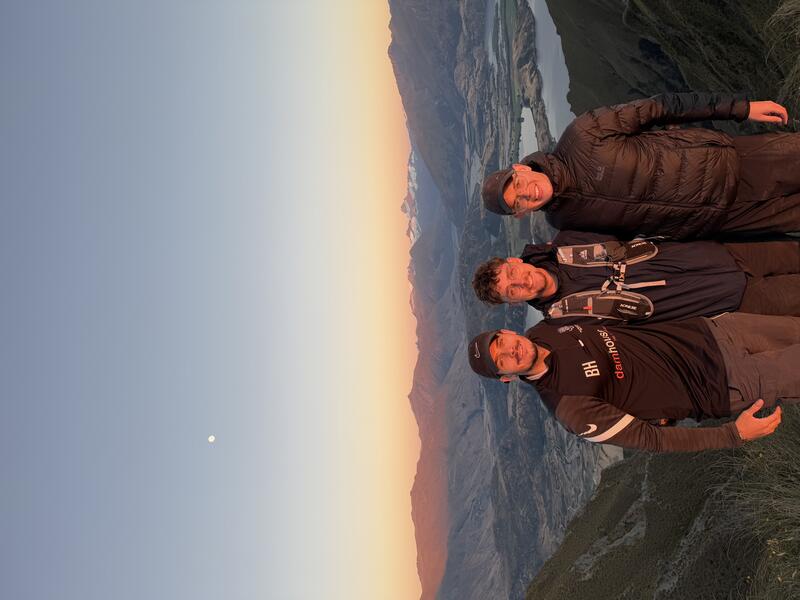

In October 2024, I finally took the gap year I had been planning since 2020. COVID had other ideas at the time, so I went to university instead and spent four years completing a BSc in Psychology and an MSc in Cognitive Neuroscience. By the time I finished, I was 23 and arguably better equipped for the trip than my 18 year old self ever would have been.
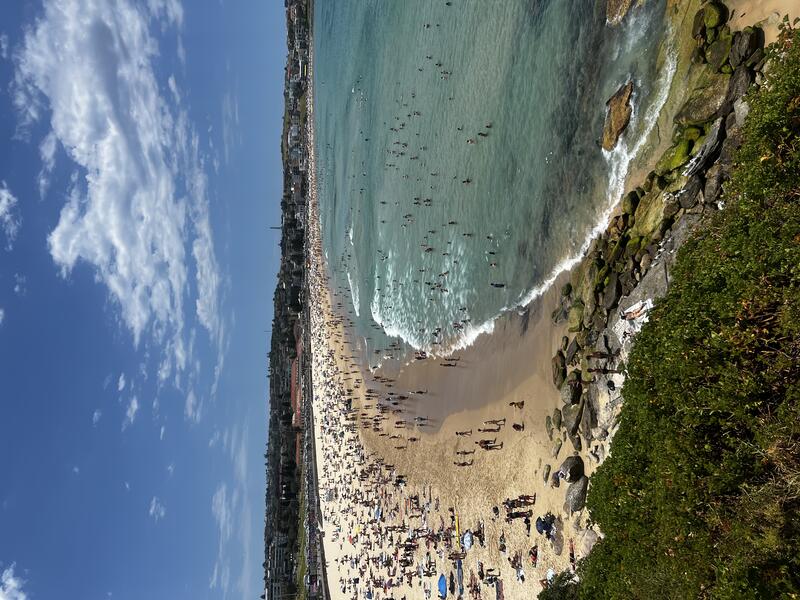
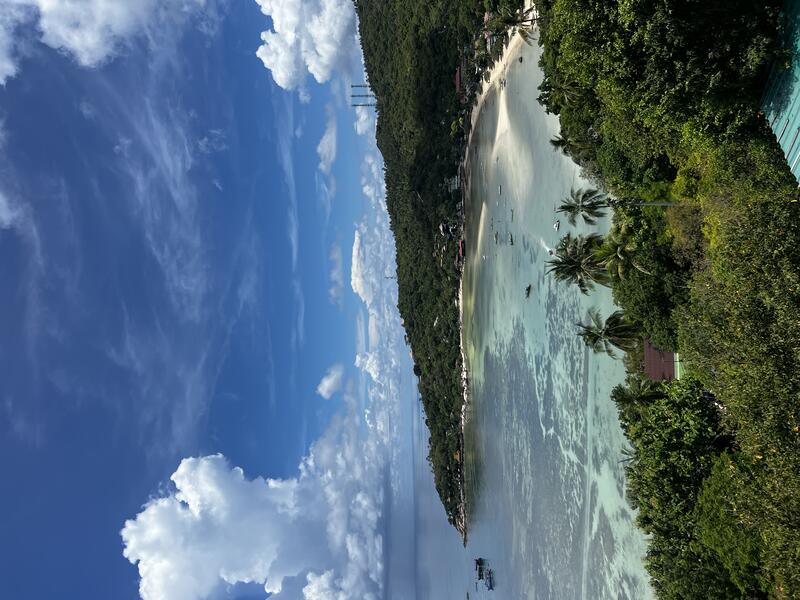
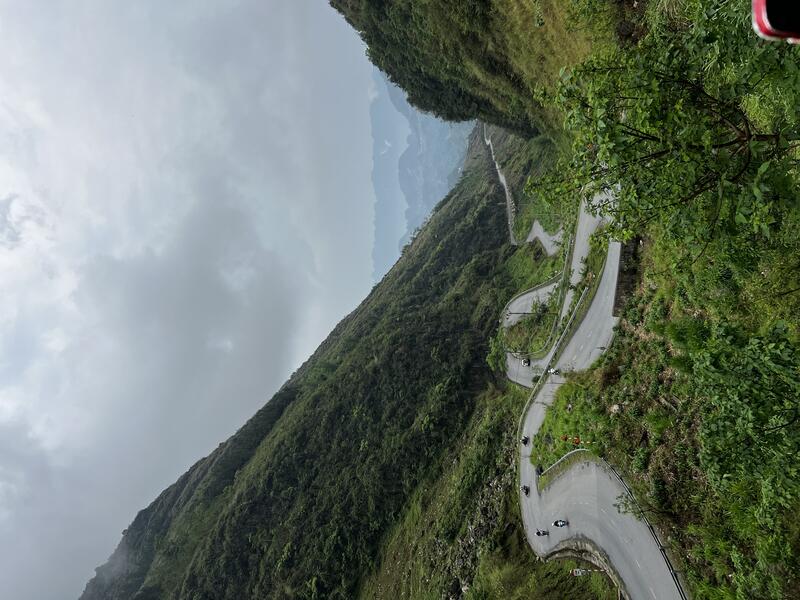
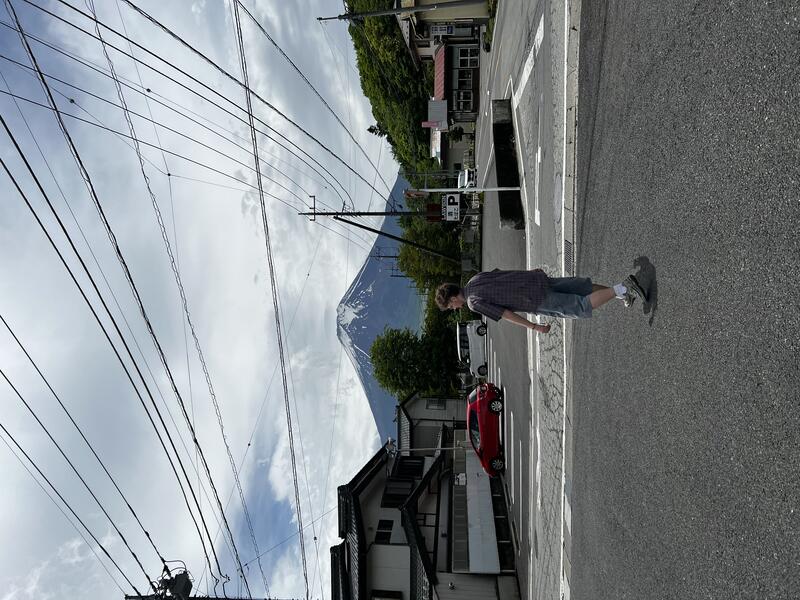
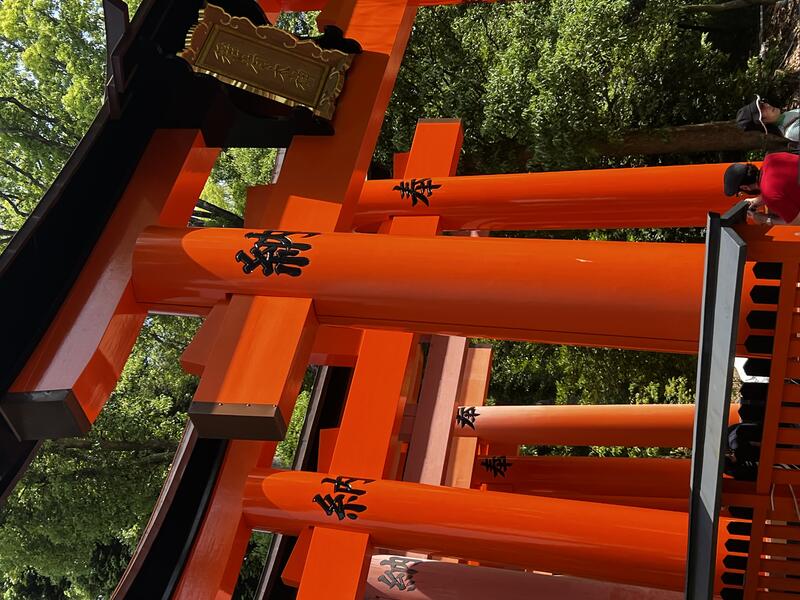
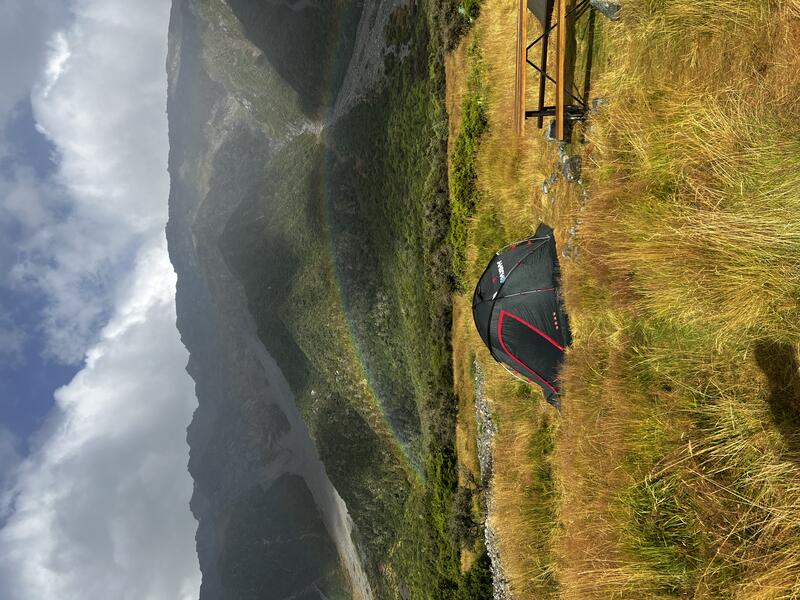
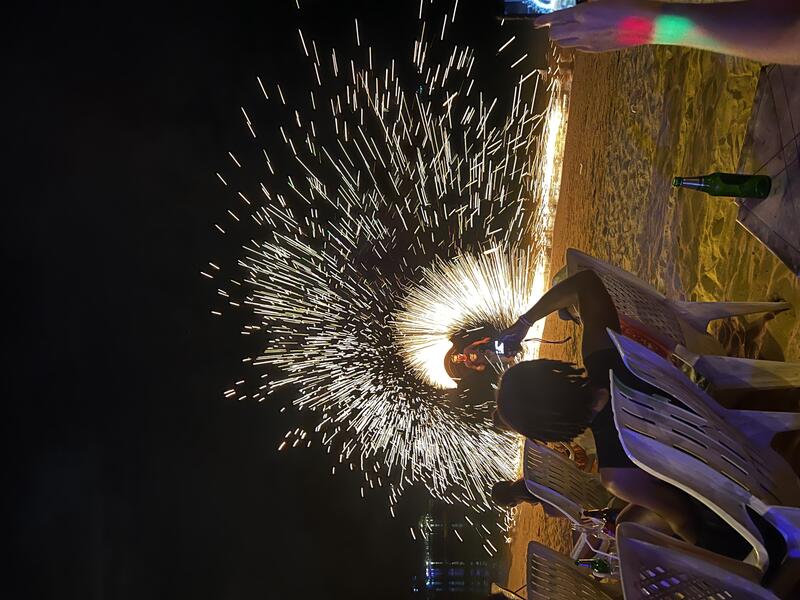
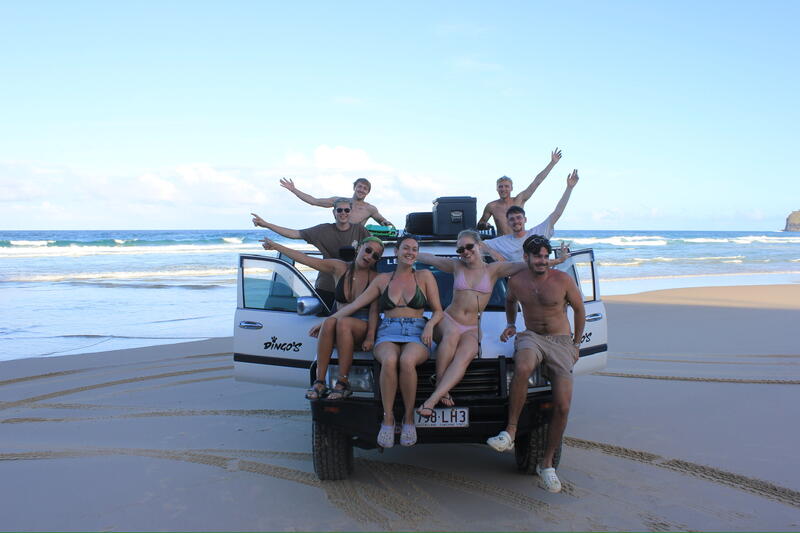
I spent eight months travelling across seven countries, the US, Australia, New Zealand, Thailand, Vietnam, Japan, and South Korea, ranging from city living and working in Melbourne to camping out of a car through New Zealand and island hopping across Thailand. Throughout all of it, my Type 1 diabetes came along for the ride.
A year on from coming home, here are the ten things I wish someone had told me before I left.
1. Begin Stocking Up on Medicine at Least 6 Months Before Leaving
Like most Type 1 diabetics, I already had a reasonable backstock at home, the kind you quietly accumulate for those just in case moments. But preparing for eight months of travel required a more deliberate approach. Rather than ordering when I genuinely needed to, I started ordering on a set schedule, as frequently as my prescription would allow, slowly building a substantial surplus over the course of a year. I never ordered more than my recommended amount at any one time, I just stopped waiting until I was running low.
When I finally sat down with my GP and diabetes team to tell them about the trip, the response was brilliant. They immediately provided guidance on travelling safely with insulin, talked me through the reciprocal healthcare agreement with Australia, and suggested I get in touch with Melbourne’s diabetes team ahead of arrival. In the months leading up to departure, they also agreed to double my insulin supply, giving me a genuine safety blanket going into the trip. Crucially, they also advised I stay registered with my NHS CGM scheme while I was away, a decision that turned out to be more important than I initially realised.
As it happened, I left the UK with enough short and long acting insulin to last the entire eight months without realising it. What I didn’t have enough of were needles and CGM sensors, and those gaps required real logistical problem solving later in the trip.
If you’re reading this six weeks before you leave and haven’t started yet, you’re already behind but it’s not too late. Get in touch with your GP or diabetes team now. They will typically allow you to carry at least three months of supply, which gives you the perfect window to get registered on a reciprocal healthcare agreement if your destination country has one. The process is simpler than you think, but it takes time, so the sooner you start the better.
Start here: Your diabetes team wants to help you do this safely. Book an appointment before you do anything else. They have done this before.
2. Reciprocal Healthcare Agreements Are Your Best Friend
The UK currently has reciprocal healthcare agreements with all EU countries, Switzerland, Norway, Iceland, Liechtenstein, Australia, New Zealand, and several other territories. Of the seven countries I visited, Australia and New Zealand were covered. Thailand, Vietnam, Japan, and South Korea were not, which is exactly why travel insurance is covered separately as its own non-negotiable point.
Australia’s agreement is particularly generous for long term visitors. By enrolling in Medicare and registering with the NDSS, Australia’s national diabetes scheme, I was able to access heavily subsidised insulin, needles, and eventually CGM consumables. This did not make healthcare free. It subsidised it significantly, but I still had to factor costs into my budget, and the process took time. Without the agreement, a single box of five insulin cartridges could cost upwards of $190 AUD. With Medicare, that same script cost me somewhere between $30 and $35 AUD.
From arriving in Melbourne to being fully registered and receiving subsidised supplies took around six to eight weeks. Getting insulin via a GP appointment was relatively quick, but accessing subsidised needles and CGM consumables through the NDSS required additional paperwork and patience. Annoyingly, you can’t begin any of this process before you actually arrive in the country, so there is an inevitable gap period at the start where you’re relying on what you brought with you.
The process itself was straightforward once I knew what to do. I found the Melbourne diabetes team’s contact details online, sent an email, and received a prompt response outlining exactly which forms and steps I needed to complete. It was well organised and the team were incredibly helpful throughout.
Get in touch before you go: If you’re planning a long stay in Australia, email the local diabetes team before you arrive so you know exactly what to expect.
3. Expect Fluctuations. Diet Is Always Changing.
Blood sugar management when travelling demands constant recalibration. The version of yourself that carefully counts carbs at home, cooking familiar meals in a familiar kitchen, bears almost no resemblance to the version eating off a gas stove in rural New Zealand or navigating a street food market in Bangkok.
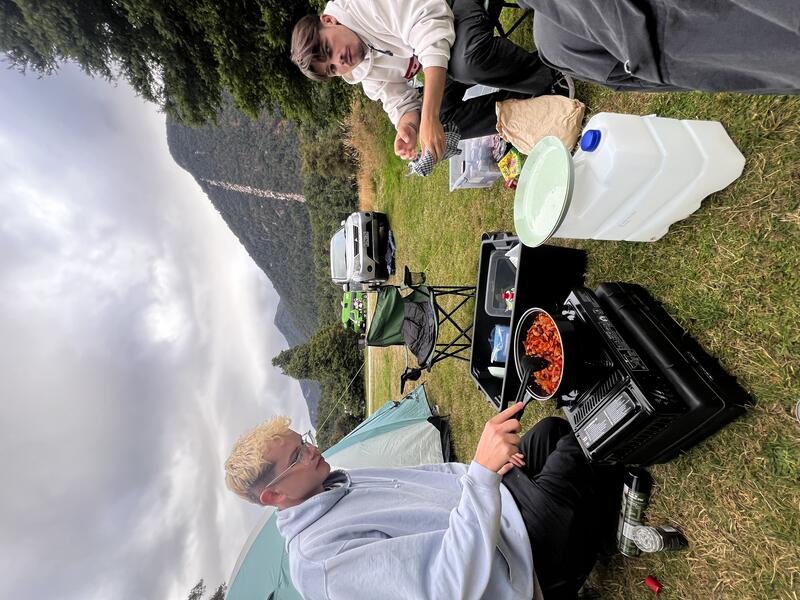
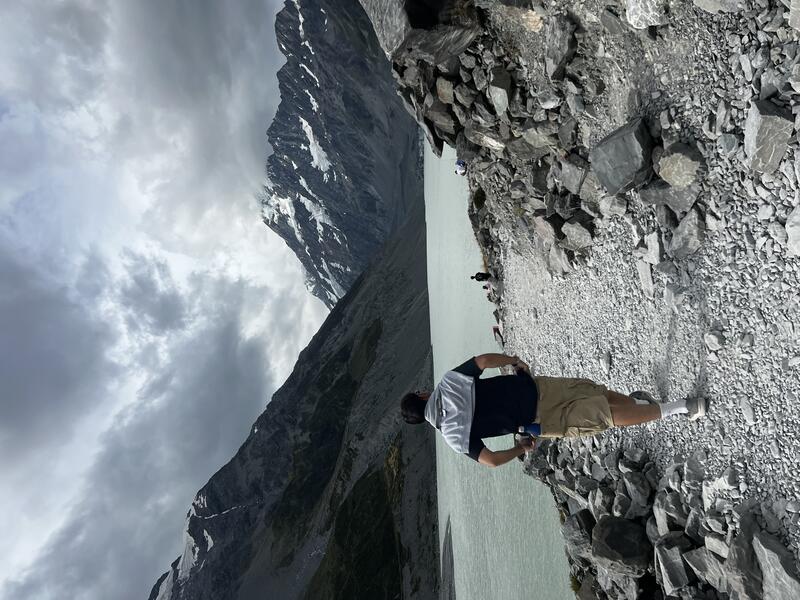
In Melbourne, where I was cooking most of my own meals, my control was actually pretty good. I could track carbs reasonably easily and my routine felt stable. The moment that changed was New Zealand, where we were camping and hiking daily on a tight budget. We ate the same things on rotation, tuna and sweetcorn pasta, pesto pasta, far too many peanut butter and jam sandwiches, which sounds monotonous but actually made the adjustment manageable. The real variable wasn’t the food, it was the exercise. Long hikes in summer heat meant I was taking significantly less insulin than usual, and getting that balance right took a few days of trial and error each time the terrain or intensity changed.
Coming back into Australia for the second leg, I needed to increase my insulin again. We were eating out more, portions were harder to track, and I was adjusting to a more typical backpacker lifestyle after weeks of camping austerity. It felt like a recalibration period every time the environment changed.
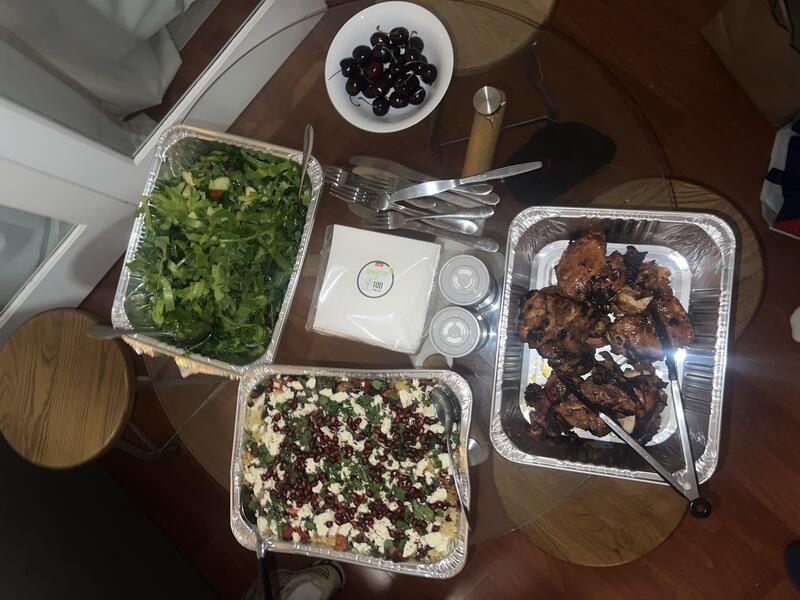
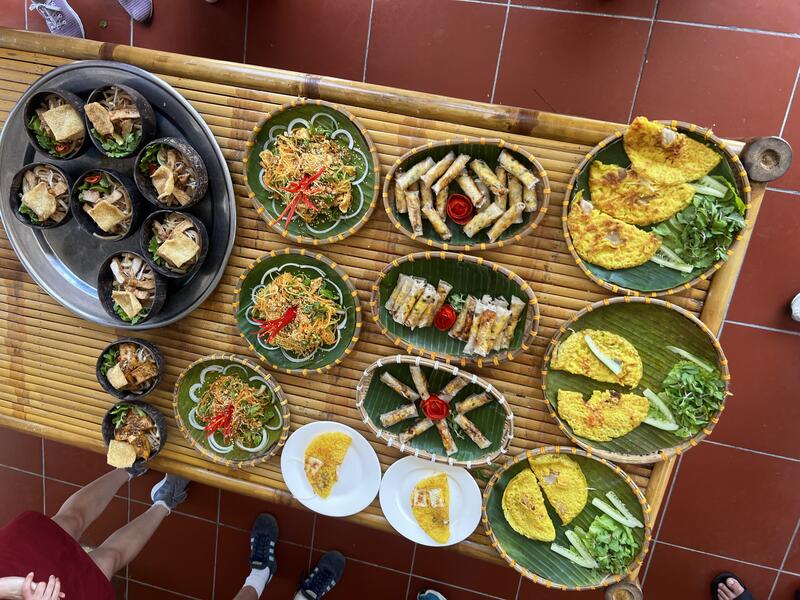
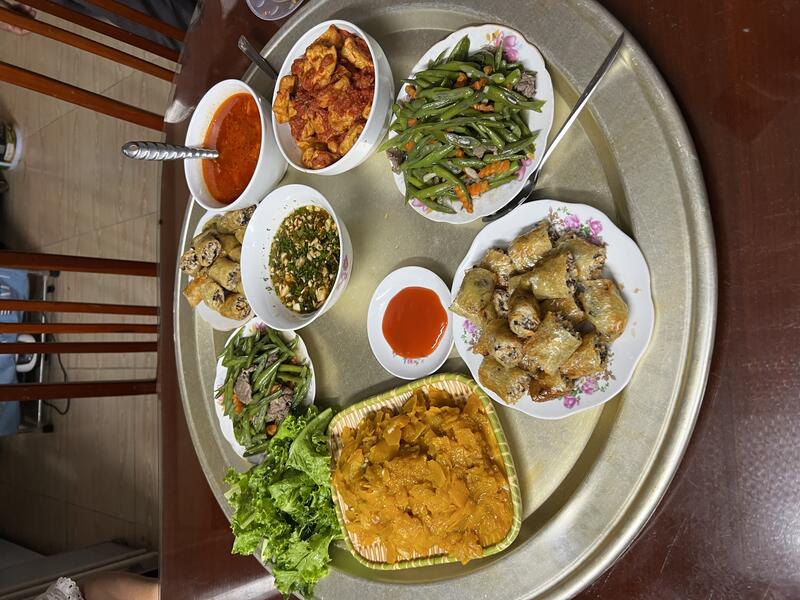
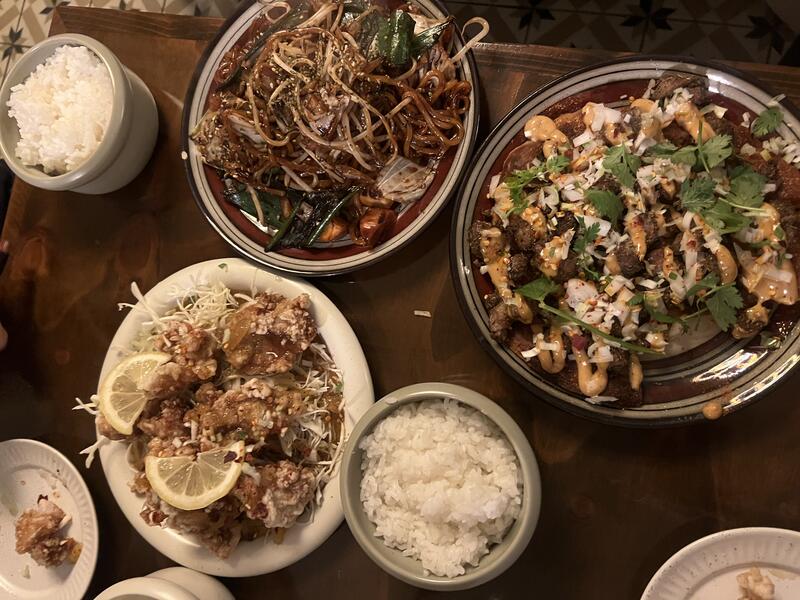
Southeast Asia was the most dramatic shift. Thailand was manageable, rice heavy diets are relatively predictable once you get used to them, though portion sizes varied wildly and even a dish I thought I knew how to dose for could catch me out. Vietnam was the opposite extreme, the food was incredibly clean and vegetable heavy, and I overcorrected more than once, ending up lower than I wanted because I was still dosing as though I was in Thailand. What actually helped most was a cooking class we did in Hoi An, a town we loved so much we stayed longer than planned. Hoi An is known for cao lau, a regional noodle dish that became an instant favourite, and the class walked us through the specific ingredients that go into the most common dishes you find across Vietnam. It was far more useful than I expected. Understanding exactly what was in the food made dosing considerably more straightforward for the rest of the country.
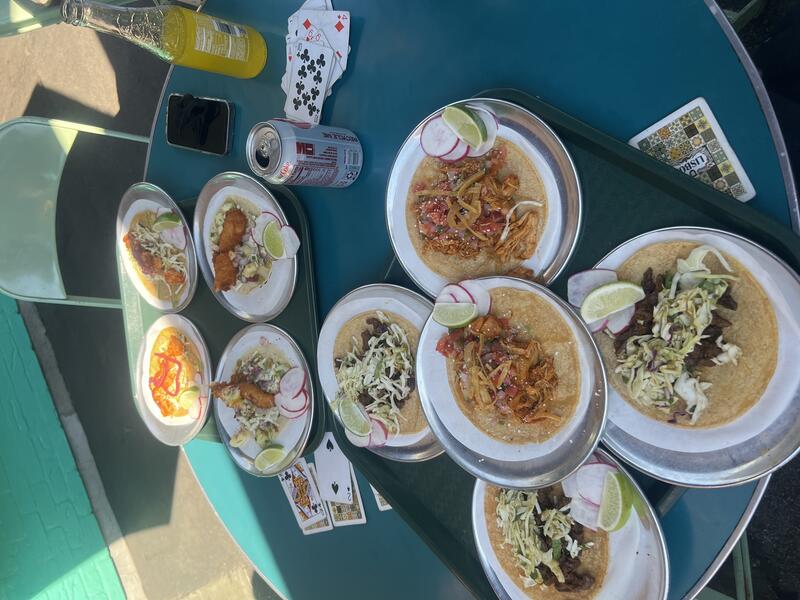
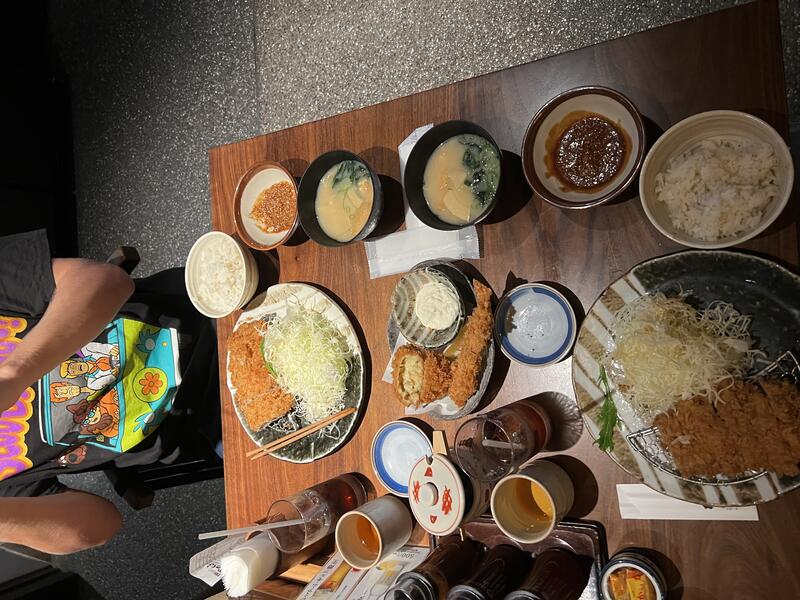
Japan was a different kind of adjustment. What surprised me most was how much fried food there was, katsu, tempura, karaage, which is perfectly manageable once you account for it but was a significant shift after weeks of clean Vietnamese cooking. The other thing that caught me off guard was finding the restaurants themselves. We would wander down side streets and come across what looked like someone’s house, slide the door open nervously hoping we weren’t about to walk into someone’s living room, and find a tiny family run restaurant serving extraordinary food. As it was the last leg of the trip, we decided to go all out in Japan and South Korea, I ate whatever I wanted and adjusted upward accordingly. No regrets.
Expect fluctuations, don’t fear them. It’s completely normal to take time to adjust when your diet changes this dramatically. Check your blood sugar more regularly than you would at home, particularly when you arrive somewhere new, and trust the pattern that emerges over a few days rather than panicking at individual readings. It will settle.
Worth remembering: Portion sizes vary enormously across different countries and cuisines. Even a dish you think you know how to dose for can catch you out when the portion is twice the size you expected.
4. Expect to Eat Out. A Lot.
Eating out when you’re travelling is largely unavoidable, and for a Type 1 diabetic it introduces a layer of unpredictability that takes some getting used to. When you cook your own food, you know exactly what’s in it. When you’re handed a menu in a language you don’t speak, in a country you arrived in three days ago, the best you can do is make an educated guess and adjust from there.
Over time you naturally start to identify patterns. You learn which ingredients appear in which dishes, you develop a rough sense of how different cuisines affect your blood sugar, and you build up a mental library of what works. Some of that learning comes from getting it right. Some of it comes from the nights where you get it spectacularly wrong.
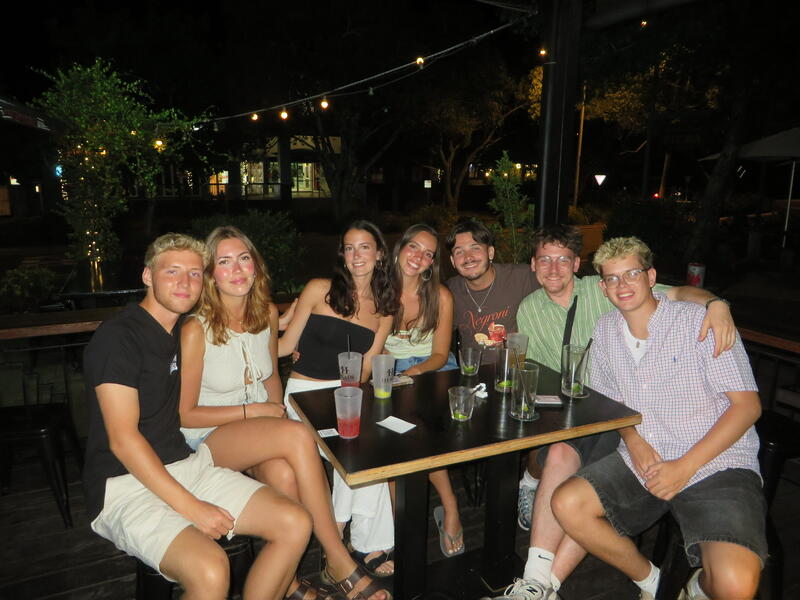
Alcohol adds a whole other dimension. Drinking is a significant part of most people’s travel experience, and pretending otherwise would be dishonest. Alcohol affects blood sugar in ways that are genuinely hard to predict, and combining it with unfamiliar food in an unfamiliar environment creates a lot of variables.
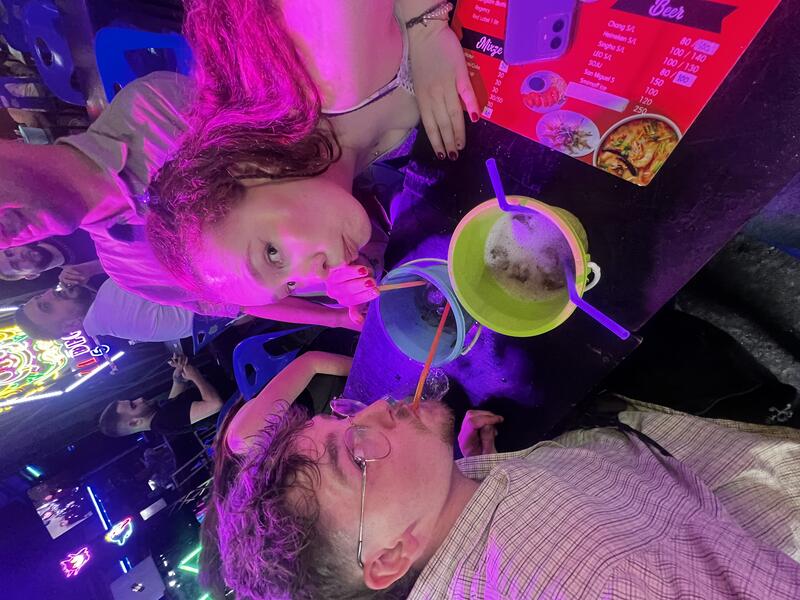
Thailand was where this hit hardest, and the Khao San Road was where it started. I’d just arrived in Bangkok and every other traveller I met told me Thai buckets were non-negotiable, so I committed. The Khao San Road at night is genuinely overwhelming, street vendors everywhere, bars lined up back-to-back with people physically pulling you inside, and somewhere in the middle of all of it, a bucket of spirits with a straw that someone hands you like it’s completely normal. They’re sold as classic cocktails, blue lagoon, sex on the beach, mojito, but what arrives is essentially a random combination of spirits and fruit juice that rarely tastes much like the thing on the label and is considerably stronger than you’d expect. No two are the same, which is the problem. You can’t predict the ratio of alcohol to sugar, and different bars make them completely differently.
I got very drunk, and when I finally checked my CGM I was very high. I corrected, overcorrected, and went low quickly, much faster than I was expecting. That cycle repeated itself a couple of times across the night, and over the following evenings too. Eventually I made the decision to stick to beers and soju, sealed alcohols where I at least knew roughly what I was dealing with. The unpredictability of the buckets wasn’t worth it, and my CGM readings in the days that followed were messy enough to confirm I’d made the right call.
The other practical reality is excursion planning. On group day tours, meals were usually included, which meant I could relax and enjoy myself without worrying about going low mid activity. When we were doing things independently, particularly long hikes, I had to plan more deliberately, making sure I had enough food and supplies to handle any unexpected drops. I didn’t let diabetes dictate where we went or what we did, but I did factor it into the logistics the same way you’d check whether there was a toilet on a long bus journey.
Language barrier tip: Consider carrying a medical translation card that states you are diabetic and may need sugar quickly. I winged it and was lucky. You might not be.
5. Expect Extreme Temperatures and Know How to Keep Insulin Safe
Insulin is more fragile than most people realise, and travelling across climates as varied as a New Zealand summer hike, a Melbourne autumn, and a Thai monsoon season will test whatever storage system you have. Getting this wrong can end your trip.
My primary storage method was Frio bags, which work by using water activated crystals to regulate temperature and are genuinely excellent across a wide range of climates. When you’re backpacking though, space is already at a premium before you factor in medication, and Frio bags are bulky and heavy when activated. They typically hold around 10 to 15 cartridges at most, so carrying your full insulin supply in them simply isn’t realistic. In Australia, insulin prescriptions come in partially insulated bags, and I used these for the overflow, keeping as much as I could fit in the Frio and storing the rest alongside them.
The caveat with Frio bags is that they work through evaporative cooling, which means they produce condensation, so the inside of any enclosed bag they’re stored in will get damp if you don’t air it out regularly. I knew this, but I got lazy. I left it for about six days in the Thai humidity without checking, and the night before we flew from Surat Thani to Vietnam, I finally opened it. We were staying in a homestay in the middle of nowhere, locked inside by the hosts because packs of wild dogs were roaming outside. I was moving my insulin from my main backpack into my carry-on so it wouldn’t end up in the hold, when the smell hit me. The entire inside had gone mouldy.
Fortunately, I had stored the whole system inside a rigid plastic case, and that inside a ziplock bag, so there were layers of protection. When I got through the outer layers, everything inside was completely untouched. It was the outer case that was a furry mouldy mess. I was very, very lucky. I’d recommend setting a 48-hour phone reminder to air out your storage bag, especially in humid climates.
The other challenge was hiking in New Zealand during summer. Leaving insulin in a hot car while we were out on a trail wasn’t something I was willing to risk, so I ended up carrying my full supply with me on hikes. It was an added weight and an annoyance, but the alternative wasn’t worth considering.
** Keeping insulin safe:** Frio bags are excellent but bulky. Whatever storage system you use, keep it inside a rigid case inside a ziplock bag, and set a 48-hour reminder to air it out. Heat destroys insulin quickly and there is no recovering it once it’s gone.
6. Be Prepared for Issues. Bring Backups and Assume You Will Run Out.
The optimistic version of packing for a long trip is bringing exactly what you need. The realistic version is bringing what you need, plus a buffer for everything that can and will go wrong.
CGM sensors were my biggest logistical challenge throughout the trip. They’re bulky, they’re expensive, and they’re not easy to source in every country. I brought enough to cover my first three months in Australia, which gave me time to get registered with the NDSS and start accessing them locally. What I didn’t account for was any margin for error, and that came back to bite me.
CGM sensors fail. They fall off when you’re sweating heavily on a hike. They get knocked during sleep. When you’re this active in this many different climates, device failure is inevitable. Planning to finish your trip with exactly zero sensors left is a massive gamble.
Pretravel I was registered on an NHS scheme supplying me with Dexcom G7x’s every three months, and my GP had advised me to stay on it while I was away. In New Zealand, after losing a couple of sensors due to device errors, I realised I did not have enough sensors left to get me home. My solution was to have my dad post them to my cousin in Sydney, who was living there permanently at the time, and who then brought them to meet me in Cairns. It worked, but it required a lot of coordination and a fair amount of luck.
One practical detail worth knowing: Australia didn’t have access to the Dexcom G7x at the time of my visit, so I had to switch to the Libre 2 while I was there. That in itself was manageable, but the UK version of the Libre app doesn’t work with the Australian sensors. You have to switch your phone’s app store region to access the correct version. It’s a small thing but it’s exactly the kind of thing that catches you out at the worst possible moment.
Buffer rule: Don’t plan to finish your trip with zero supplies remaining. Plan to finish with enough to cover a month of device failures. The margin isn’t wasteful, it’s essential.
7. Get Familiar With Airport Security and Carry Documentation
I was searched at virtually every airport I passed through. With the volume of medication, devices, and consumables I was carrying, that was always going to be the case, and the only thing that made it manageable was being prepared for it and giving myself enough time.
The non-negotiable starting point is a signed letter from your GP or diabetes team confirming your diagnosis and your need to carry medication on your person at all times. It won’t solve every situation, particularly when the security officer doesn’t speak English, but it establishes a baseline of legitimacy that makes the conversation easier. In non-English speaking countries I relied heavily on rolling up my sleeve and pointing at my CGM sensor, which worked more often than it probably should have. Airport security teams see diabetics regularly and are generally well trained, but in hindsight I should have carried a translated medical card stating my condition and listing my medication. I got away with waving my sensor around and saying, “sugar bad”. You should probably have a backup plan that involves actual words.
Australia and New Zealand were the strictest, as you’d expect from countries with notoriously tight biosecurity controls. Insulin isn’t an organic or a foreign object in the biosecurity sense, but it still prompted a lot of questions and thorough checks. Build in at least an extra 30 minutes at every airport, more if you’re connecting through a country with a language barrier.
Do not put your insulin in the hold. Cargo holds can drop to temperatures that will freeze and destroy your supply, and once that happens there’s no recovering it. Keep everything in your hand luggage, accept the security theatre that comes with it, and budget the time accordingly.
Before you fly: Apply for a translated medical ID card. Several services offer wallet sized cards listing your condition and medication needs in multiple languages. It takes minutes and could save you significant stress at security.
8. Time Zone Changes Mess With Your Routine More Than You Think
Crossing time zones is disorienting for anyone. For someone on a basal and bolus insulin regime, it adds a layer of complexity that your body doesn’t particularly care about and your insulin certainly doesn’t account for.
The practical problem is long acting insulin timing. When you shift significantly across time zones, the schedule you’ve been following becomes suddenly meaningless. I dealt with this by gradually adjusting my injection time by roughly two hours each day after arrival until I reached the right window for the new time zone. In theory it was a sensible approach. In practice there was definitely at least a few times where I gave up on the gradual adjustment and just waited until night, which was fine but perhaps not the most rigorous medical strategy.
The hardest shift of the trip was Los Angeles to Melbourne, a 17 hour difference that required the longest adjustment period. After that we moved through time zones in a more gradual progression, which made subsequent adjustments significantly easier.
One thing that genuinely helped was being on Tresiba as my long acting insulin. Unlike something like Lantus, Tresiba has a much longer duration of action and stays in your system more consistently, which means a missed dose or a slightly mistimed one doesn’t create the same cliff edge risk. If you’re on a long acting insulin with a shorter window, it’s worth having a specific conversation with your diabetes team about how to manage time zone shifts before you leave, because it’s more nuanced than it might seem and I probably should have done exactly that rather than figuring it out as I went.
Ask before you go: Talk to your diabetes team specifically about time zone management. If you’re on a long-acting insulin, know its duration of action and what happens if your timing shifts. Don’t assume it’ll sort itself out.
9. Travel Insurance That Covers Diabetes Is Non-Negotiable
This is the least exciting point in the article and the most important one. Get travel insurance that fully covers your diabetes. Declare everything. Do not cut corners here.
Finding the right policy took longer than I expected. The first option most backpackers are pointed towards didn’t offer diabetes cover at a reasonable price, so I shopped around and eventually went with Tesco. Even then, it cost me £600 for eight months, roughly double what my friends without chronic conditions were paying. I won’t pretend that doesn’t sting. I also never had to use it, which creates a slightly strange feeling in retrospect, like spending a significant amount of money on something you hope turns out to be worthless.
Honestly, it was worth every penny. Not because of what it covered, but because of what it removed. Without it I would have been carrying the anxiety of an uninsured medical condition across seven countries for eight months, and that would have fundamentally changed the trip. The peace of mind was the product.
When you apply, be thorough and be honest. Insurers ask specific and detailed questions, things like whether you’ve been admitted to hospital due to your diabetes in the past two years, and those questions exist for a reason. They will look for reasons not to pay out if something goes wrong, and a discrepancy between what you declared and what your medical records show is exactly the kind of thing they will find. It is not worth the risk.
Declare everything: The questions insurers ask are specific and deliberate. An undeclared condition is grounds for a claim to be rejected entirely.
10. Tell the People Around You. It Might Save Your Life.
There is a tendency among people with chronic conditions to manage quietly, to not want to be a burden, to avoid the look of concern that crosses someone’s face when you explain what happens if things go wrong. I understand that instinct and I’d encourage you to ignore it completely.
I travelled with a group that ranged between two and five people at different points in the trip, and from day one everyone knew about my diabetes. My oldest friend, who I started the trip with, had known for years. My cousin, who joined us later, was equally clued up. The others learned along the way, and they were genuinely interested, full of questions and happy to listen.
What that meant in practice was that when I was acting out of character, someone noticed. When I was losing my train of thought mid conversation, speaking without making much sense, my friends were quick to tell me to check my blood sugar. More often than not I was low, and the fact that they recognised the signs before I did meant I was able to deal with it quickly and without drama. I never found myself in a situation I couldn’t handle on my own, but knowing they were there and knew what to look for made every single day feel safer.
If you’re hesitant to tell people around you, I’d gently push back on that. In my experience people are genuinely curious, not alarmed. It’s interesting. It’s a small piece of drama that you can talk about on your own terms, and if you frame it right, people don’t worry, they just know what to do. Managing Type 1 diabetes while travelling through some fairly remote parts of the world is something to be proud of. Let the people around you be part of that.
Five minute conversation: Make sure at least one person travelling with you knows the warning signs of a hypo, where your supplies are, and what to do if you can’t help yourself. It takes five minutes to explain and could matter enormously.
One Last Thing
I was 12 years old when I was diagnosed with Type 1 diabetes. One of the first questions I asked was whether I could still travel the world. I was always told yes, but for a long time I couldn’t quite believe it.
Growing up, my mum and dad would tell me stories about their own travels, small stints that had clearly meant a great deal to them, and those stories planted something in me from a very early age. Getting diagnosed felt like it had quietly closed a door on all of that. Not dramatically, not all at once, but gradually, as the reality of the condition settled in, the dream started to feel like something other people did.
As I got older and diabetes technology advanced, it started to feel more plausible. Then 2020 arrived and I thought the dream was dead again for an entirely different reason. However, the delay turned out to be the best thing that could have happened. The version of me that left in October 2024 had four years of independent living behind him, a year of careful planning, and a much clearer sense of how to manage his condition than the 18 year old version ever would have.
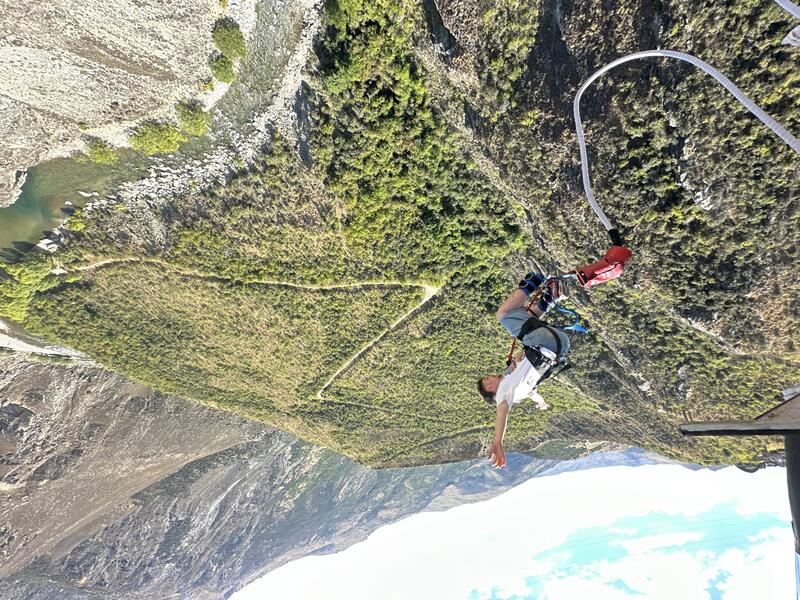
The eight months that followed were the best of my life. I wouldn’t change a single thing about them, not the mouldy insulin bag in Thailand, not the airport searches, not the Thai buckets, not any of it. One of my clearest memories is a sunrise hike in New Zealand that I probably shouldn’t have attempted. Fourth sprained ankle in a year, 2am start, four hours of uphill in the dark. My friends carried my bag with my insulin and hypo snacks, checked on me constantly, and made sure I got up and down safely. I wasn’t missing it for anything, and they made sure I didn’t have to. Because all of it was part of something I convinced myself I might not be able to do.
So, if you’re sitting at home right now wondering whether Type 1 diabetes means a trip like this isn’t for you, here’s my honest answer: GO! You didn’t ask for this condition, you just happened to get it. Don’t let something you never chose quietly close a door on something you’ve always wanted. The planning is worth it, the logistics are manageable, and the experience on the other side is worth every single needle, every airport search, and every panicked check of an insulin bag.
It’s the best thing I’ve ever done. Go do yours.
If you’re ready to start planning, the resources below are a good place to begin.
Resources
United Kingdom
Diabetes UK travel guidance
Comprehensive advice on travelling with diabetes, including packing lists, airport tips, time zone management and insurance guidance.
Frio insulin cooling wallets
Evaporative cooling pouches that keep insulin safe for 45 hours minimum without ice or electricity. Essential for travel in warm climates.
Diabetes UK insulin ID card
Free card stating you are insulin dependent, with translations into French, Spanish, German, Polish and several other languages.
Apply for a GHIC
Free NHS card that gives you access to state healthcare across Europe at the same cost as locals. Also useful to have in Australia and New Zealand, though you will still need to register with Medicare and the NDSS separately on arrival.
Australia
NDSS guide for visitors to Australia
Specific guidance from the NDSS on accessing diabetes supplies and services if you are visiting or moving to Australia from another country.
NDSS registration
Australia’s national diabetes scheme. Register to access subsidised insulin, needles and CGM consumables. Requires Medicare enrolment first.
Medicare enrolment for UK visitors
UK visitors covered by the reciprocal healthcare agreement can enrol in Medicare on arrival. Do this as soon as you land.
Diabetes Australia
Australia’s national diabetes organisation. Useful for finding local diabetes teams, support services and information about accessing supplies.
New Zealand
Reciprocal healthcare guidance
New Zealand is covered under the UK reciprocal healthcare agreement. Check GOV.UK for current documentation requirements before travel.
Diabetes New Zealand
New Zealand’s national diabetes organisation. Can help with finding local support and understanding what supplies are available in country.
Global
Translated medical ID cards
Wallet-sized cards stating you are diabetic and need sugar urgently, available in Thai, Japanese, Korean and 30+ other languages. Ships internationally.
MedicAlert ID bracelet
Internationally recognised medical ID bracelet personalised with your condition, medication and emergency contact details.
Dexcom CGM information
Check country-specific availability of Dexcom products before you travel. Product availability varies significantly by region.
Abbott Libre CGM information
Check regional sensor and app compatibility before travelling. Some regions require a different app version to the one used in the UK.
Diabetes travel insurance comparison
Specialist comparison tool for travel insurance with pre-existing conditions. Covers both Type 1 and Type 2. Always declare everything.
AllClear diabetes travel insurance
Recommended by Diabetes UK. Specialist cover for Type 1 including lost insulin, emergency medical care and repatriation.
Travelling with T1D guide
Comprehensive travel guidance specifically for Type 1 diabetics, covering preparation, supplies, insurance and managing your condition on the road.